Energy Independence
The Night Tom Rodriguez's Lights Stayed On
When Hurricane Marcus left millions in the dark, one retired mechanic's house glowed like a beacon — powered by a method the energy industry doesn't want discussed.
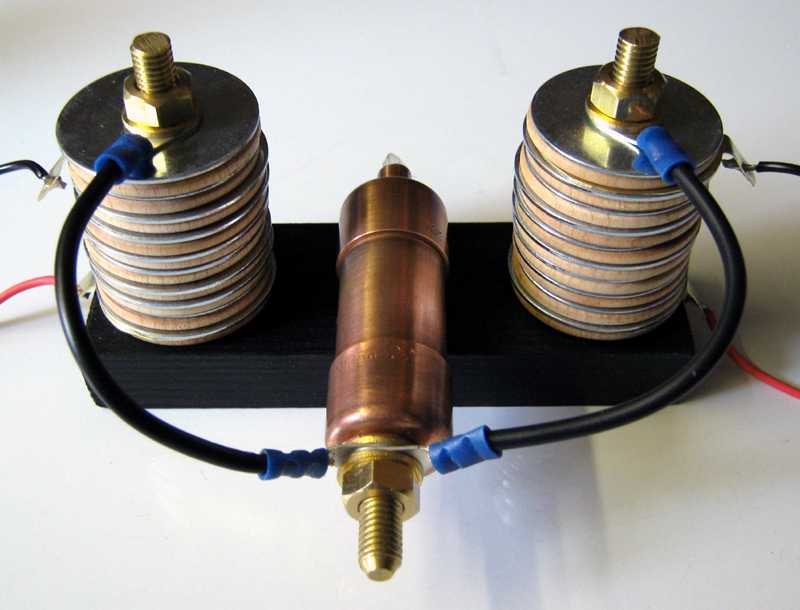
The device Tom built in his garage — photographed the evening after the storm.
Emergency crews moving through the wreckage of the Gulf Coast after Hurricane Marcus documented something that stopped them cold. In a neighborhood where every house sat dark and silent, one porch light was burning. One refrigerator was humming. One old man sat in his kitchen, radio on, coffee made, entirely unbothered.
His name is Tom Rodriguez, 82, a retired mechanic from the kind of town where people fix things rather than replace them. He had no generator running in the driveway. No solar array on the roof. No extension cord snaking to a neighbor's property. What he had was something he had built himself, in his garage, over the course of a few weekends — an unconventional device rooted in an idea that predates the modern power grid.
"I just didn't want to be helpless," Tom told a local reporter the morning after the storm cleared. He said it with the matter-of-factness of a man describing how he'd fixed a carburetor, not how he'd outlasted a natural disaster.
"The knowledge was always out there. They just made it inconvenient to find."
— Tom Rodriguez, retired mechanicWhat Tom stumbled onto — through old technical manuals, obscure patents, and the kind of unhurried curiosity that retirement allows — is not new. The underlying principles trace back to discoveries made more than a hundred years ago by inventors who were, at the time, considered visionaries. What is new is how accessible the components have become, and how systematically that accessibility has been ignored by an industry with little incentive to advertise it.
The device requires no fuel. It does not depend on sunlight or wind. It does not require an electrician, a permit, or a significant financial outlay. According to Tom, the hardest part of building it was finding someone who would take the idea seriously enough to explain it clearly.
Since word of Tom's story began circulating, thousands of families across the country have reportedly replicated some version of what he built. The accounts share a common thread: a dramatic reduction in monthly energy costs, and the quiet confidence of knowing that when the grid fails — as it does, more frequently every year — there is a fallback that does not require fuel, waiting lists, or luck.
The energy industry's relationship with distributed home generation has always been complicated. Utilities profit from consumption and from the infrastructure that delivers it. A household that generates its own power is, by definition, a household that buys less of theirs. The economics are not subtle, and they go a long way toward explaining why certain innovations move from laboratory to living room while others sit, quietly, in patent archives.
Tom is not a conspiracy theorist. He does not talk about suppression in dramatic terms. He talks about it the way a mechanic talks about a part that's been discontinued — not out of malice, necessarily, but because keeping it available stopped being profitable. "The knowledge was always out there," he said. "They just made it inconvenient to find."
What follows — in the full presentation linked from this article — is the clearest explanation of how the device works that has been assembled in one place. Tom agreed to walk through the process step by step, component by component, on camera. He did not charge for the information. He asked only that people watch it to the end before drawing conclusions.
His lights, for the record, are still on.